
Quoted vs Mentioned in PR: How to Measure Both in 2026
Why being quoted matters more than being mentioned: what each earns, how to give reporters a quotable point of view and how engines treat the difference.
Why being quoted matters more than being mentioned: what each earns, how to give reporters a quotable point of view and how engines treat the difference.

Who should choose your PR agency, the CEO or the CMO? A decision table by goal, a suggested division of labor and the questions each executive should ask.

Why founders need a public reputation before they need publicity: how evidence builds credibility, what the Theranos case shows and a checklist to start now.

How CEOs can rebuild trust after a public controversy: the Starbucks 2018 response, five steps to follow and what a first apology must contain to hold up.
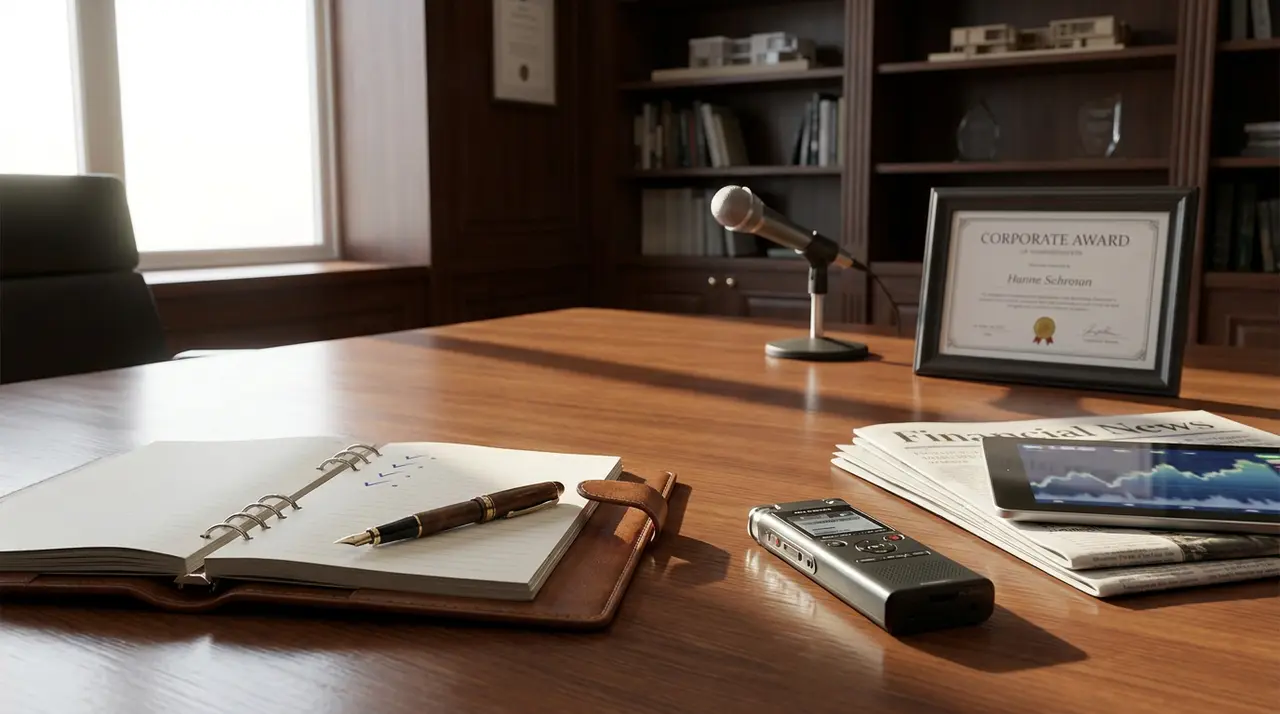
What CEOs should know before talking to financial reporters: four checks, how one statement became a legal problem at Tesla, and how to handle hard questions.

Communications mistakes founders make during fundraising: six errors, with examples from the SEC's AI-washing cases and Theranos, and how to avoid each.

How AI startup founders build credibility before Series A: named customers, independent coverage and a clear record that investors and reporters can check.

Legal tech and law firm PR in 2027: the four ABA rules that shape what lawyers and legal technology companies can say publicly, and how to plan media work.

Healthcare executive PR in 2027: five program elements that build trust for physicians and health leaders, from media relations to a clear, compliant message.

Executive bylines and contributed articles: six steps to pitch, write and place a byline in 2027, from choosing the outlet to meeting the editor's needs.

How AI engines sourced the November 2026 Microsoft Outlook outage story: why StatusGator was cited over Microsoft Learn, and what it means for brands.

When should a founder speak publicly during litigation? Four tests, what Tesla's CEO learned in 2018 and 2019, and how to speak without hurting the case.