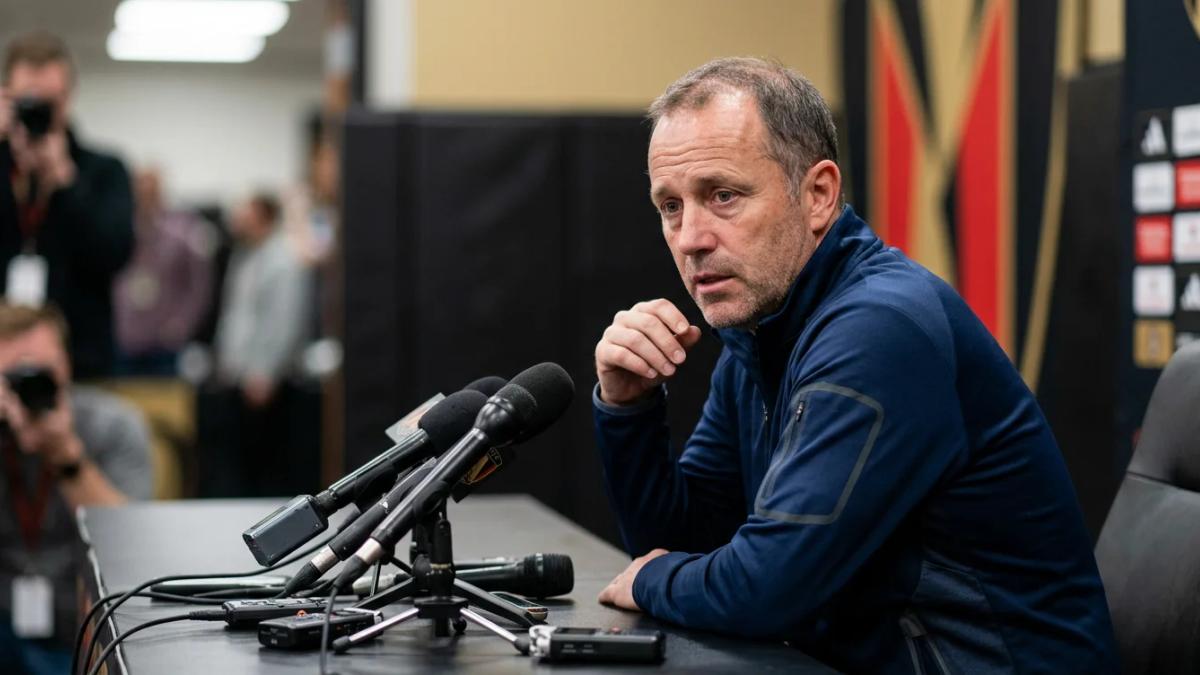
Sports coaches are hired to win games. They are increasingly judged on what they say off the field. When Atlanta United's head coach faced public backlash over comments about equal pay in women's soccer, the response — and the speed of it — became a case study in how sports figures handle a communications crisis in the social-media era.
The pattern is predictable. A public figure makes a remark. The remark is clipped, shared, and amplified within hours. Sponsors watch. Fans divide. Reporters call. The window to shape the narrative closes fast — usually within a day, sometimes within an afternoon. What the figure does inside that window determines whether the story becomes a footnote or a defining chapter.
Speed matters more than polish. Waiting to craft the perfect statement is a mistake. A same-day acknowledgment — even a brief one — signals seriousness. A three-day silence signals guilt. The first move should establish that the figure heard the criticism, understood why it landed, and takes it seriously. Detail follows later.
Direct is better than filtered. Statements read by a PR representative land colder than statements delivered by the person themselves. When the coach addressed the comments directly — on camera, in his own voice — the response resonated differently than a press release would have. The audience wants to see the person, not the crisis team.
Acknowledge the harm before defending the intent. The strongest apologies address the impact first — how the words landed, whom they affected, why the reaction is legitimate. Explanations of intent, if offered at all, come second. The reverse order almost always makes the situation worse.
The club matters as much as the coach. In sports, controversies do not stay contained to one figure. Sponsors, ownership, players, and league officials all get pulled in. Clubs that communicate quickly and clearly — separating institutional values from individual comments — protect the brand. Clubs that go silent invite speculation.
Recovery is a body of work, not a statement. One press conference does not close the file. What the coach says in the following weeks, whom the club platforms in response, and what actions follow the words all determine whether the audience moves on. Communications and behavior have to match.
Sports communications used to focus on wins, losses, and injuries. That era is over. Every coach, every player, every executive is now a public figure with a full-time communications risk profile. The ones who prepare for that reality — with training, protocols, and rapid-response infrastructure — survive controversies. The ones who improvise do not.